Aluminum Casting: An In-Depth Guide to Processes and Applications
Aluminum casting is an essential process utilized across numerous industries. It provides various methods, each tailored to particular requirements and designs. Comprehending these methods is vital for enhancing product quality and reducing environmental impact. As sustainability takes on greater importance, the industry is advancing. What elements should be evaluated when choosing the appropriate casting technique? Examining these dimensions discloses significant insights about the future of aluminum casting and its potential applications.
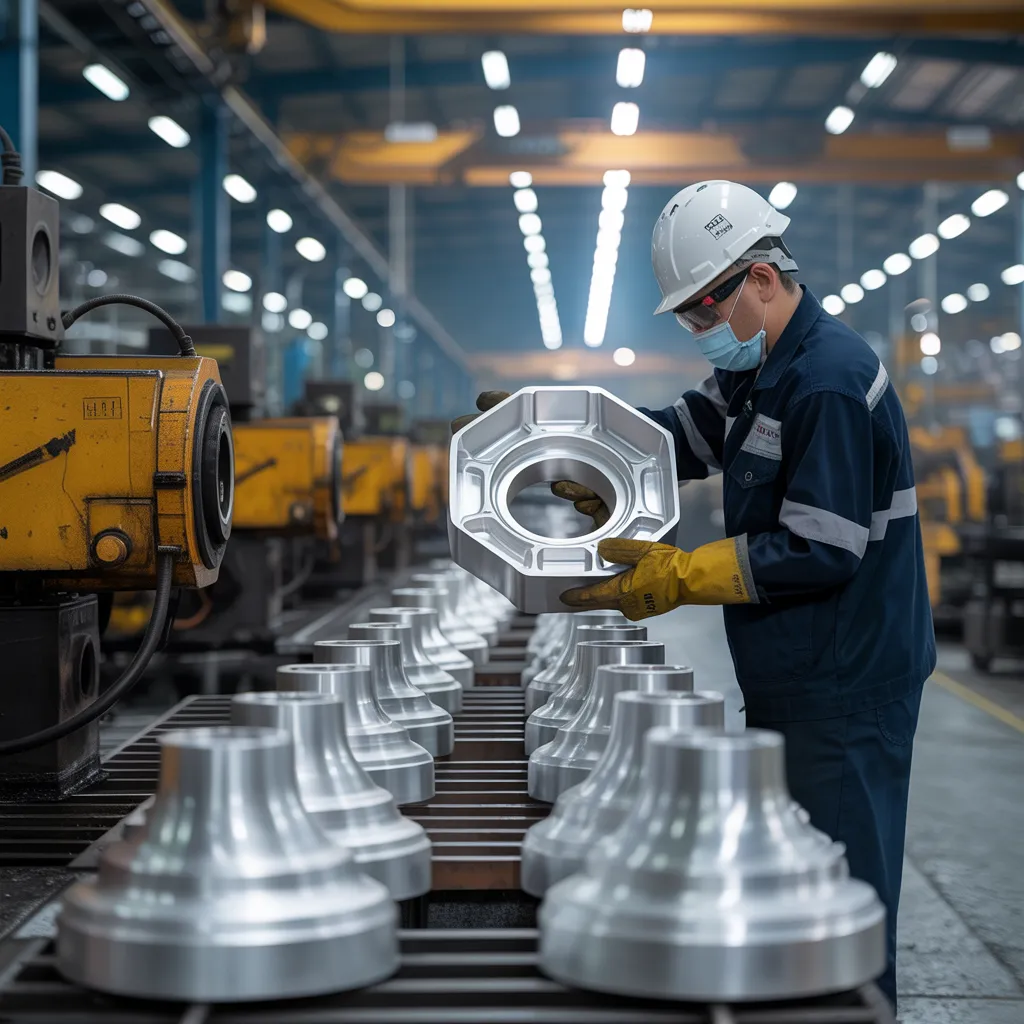
Overview of Aluminum Casting Methods
Aluminum casting encompasses several processes that convert molten aluminum into accurate parts. Some of the leading approaches include sand casting, die casting, and investment casting. Sand casting involves pouring aluminum into a sand mold, allowing for intricate shapes and large parts. Die casting, by contrast, applies high-pressure injection of molten aluminum into metal molds, resulting in rapid production and excellent surface finish. Investment casting, commonly applied to complex designs, relies on a wax pattern covered in ceramic material to produce refined molds.
Additionally, each approach presents distinct benefits and drawbacks. Sand casting is versatile and cost-effective for low-volume production, while die casting excels in high-volume applications due to its speed and efficiency. Investment casting, while typically more expensive, provides superior examine guide detail and dimensional accuracy. Grasping the distinctions between these methods is key to determining the best technique aligned with the specific demands of any given project.
The Basics of Aluminum Casting: Key Insights
Comprehending the essential principles of aluminum casting is essential for anyone working in the fabrication process. This approach consists of feeding molten aluminum into a die, allowing it to solidify and take shape. Key considerations influencing the manufacturing process include the aluminum alloy selection, the mold composition, and the cooling rate after pouring.
Aluminum casting delivers a range of benefits, including a lightweight nature, outstanding corrosion resistance, and the ability to create complex geometries. Careful temperature control is critical, as overheating may cause defects including porosity.
In addition, the selection of casting technique, whether die casting, investment casting, or another technique, influences the final part's quality and performance. Grasping these aspects helps manufacturers optimize production efficiency and achieve desired specifications. Ultimately, a strong knowledge of these core concepts drives successful aluminum casting procedures in various industries.
Sand Casting: Advantages and Ideal Applications
Sand casting stands out as a flexible technique for creating aluminum parts, offering numerous advantages that cater to a wide range of applications. One significant benefit is its capacity to produce detailed shapes and elaborate designs, which can prove difficult using alternative casting techniques. The technique uses sand as the primary mold material, facilitating easy and cost-effective production, especially for low to medium volume runs.
Furthermore, sand casting is compatible with numerous aluminum alloys, optimizing the alloy's properties based on particular application demands. The technique is highly appropriate for manufacturing substantial parts, such as engine blocks and housings, where exactness is essential but not as critical as in large-scale manufacturing environments. Additionally, the cost-effective setup requirements make it a compelling option for prototype creation and small-batch manufacturing. Overall, sand casting continues to be a popular choice for industries requiring durable, customized aluminum components.
Die Casting: Efficiency and Precision for Mass Production
Die casting represents a highly effective process that specializes in manufacturing aluminum parts with outstanding accuracy, particularly suited for mass production. This process involves forcing molten aluminum into a mold under high pressure, producing complex geometries and consistent dimensional accuracy. The accelerated cooling of the molten material permits reduced cycle durations, making it ideal for large-scale production runs.
Die casting is preferred in industries such as the automotive, aerospace, and consumer goods sectors because of its capacity to manufacture durable yet lightweight pieces. The process minimizes waste, as excess material can often be recycled. Additionally, die-cast components exhibit outstanding surface textures, minimizing the requirement for additional finishing work.
The technique additionally supports intricate geometric shapes, permitting manufacturers to craft components that align with specific performance benchmarks. In summary, die casting stands out as a reliable choice for businesses aiming for speed and accuracy in their aluminum production endeavors.
Investment Casting: Attaining Complex Shapes
Investment casting, often referred to as lost-wax casting, offers unparalleled versatility in producing intricate shapes and detailed designs. The process begins by forming a wax replica, which is subsequently covered with a ceramic coating. After the shell solidifies, the wax is removed through melting, leaving a detailed mold for aluminum. This method facilitates the manufacturing of intricate shapes that are difficult or impossible to achieve with alternative casting techniques.
The ability to create detailed internal components and narrow wall configurations makes investment casting ideal for applications in aerospace, automotive, and medical industries. Additionally, the refined surface quality frequently minimizes the requirement for significant machining, reducing both time and expenses. The adaptability of investment casting also allows for the combination of several elements into a single unified structure, enhancing overall design efficiency. Overall, investment casting distinguishes itself as a top-tier solution for fabricators looking to create superior aluminum components with remarkable intricacy.
Key Considerations for Choosing an Aluminum Casting Method
When selecting an aluminum casting process, multiple essential considerations must be taken into account. Material properties, including strength and thermal conductivity, have a major impact on determining the appropriateness of a casting method. Additionally, production volume requirements can influence the choice, as some methods are more efficient for large-scale output than others.
Material Properties Considerations
Identifying the suitable aluminum casting method is based on a complete understanding of material properties. Important considerations include the alloy composition, which impacts strength, corrosion resistance, and thermal conductivity. For instance, higher silicon content enhances fluidity but may lower strength. In addition, considerations such as melting temperature and solidification rate affect the casting process and the final product's integrity. The targeted mechanical properties, including tensile strength and ductility, should align with application requirements. Moreover, characteristics like porosity and surface finish must be considered, as they determine the overall performance and aesthetic of the castings. In the end, a thorough assessment of these material properties guarantees the selection of the most effective casting method for specific project needs.
Production Quantity Requirements
Production volume needs serve a critical function in determining the most suitable aluminum casting method. Distinct casting processes are adapted to specific manufacturing scales, impacting operational efficiency and cost management. In cases of limited production runs, approaches such as sand casting are commonly favored for their versatility and minimal initial investment. On the other hand, large-scale production requirements often call for methods such as die casting or permanent mold casting, delivering accelerated turnaround times and outstanding dimensional consistency. Moreover, elements such as production lead times, tooling investments, and material efficiency must be thoroughly examined. Ultimately, aligning the production volume with the casting method guarantees that manufacturers achieve ideal results while minimizing expenses, thereby enhancing overall operational efficiency.
What Are the Upcoming Trends Shaping Aluminum Casting?
As the aluminum casting field progresses, eco-friendly casting innovations are rising to the forefront, reflecting a growing commitment to environmental responsibility. Additionally, sophisticated automation technologies are reshaping production workflows, improving operational efficiency and accuracy. These trends indicate a significant shift towards more eco-friendly and technologically advanced methods in aluminum casting.
Eco-Friendly Casting Advancements
Pioneers in the aluminum casting industry are steadily focusing on sustainability, creating the foundation for a more eco-friendly future. Key developments feature the use of recycled aluminum, which considerably lowers energy consumption and greenhouse gas emissions compared to primary aluminum production. Progressive techniques and resources, such as eco-friendly mold coatings and low-impact casting techniques, are also becoming more widespread. Furthermore, the integration of renewable energy sources in manufacturing processes enhances overall sustainability. Manufacturers are emphasizing lifecycle assessments to reduce ecological footprints, ensuring that products are designed with recyclability in mind. As regulations grow more demanding and consumer awareness grows, these sustainable innovations are anticipated to emerge as standard practices, steering manufacturers toward a more responsible and resilient future.
Innovative Automation Technologies
The future of aluminum casting is growing ever more linked to advanced automation technologies, poised to revolutionize the industry. Advancements including robotic arms and artificial intelligence are improving precision and efficiency throughout casting processes. Automated systems facilitate real-time monitoring, minimizing human error and enhancing product quality. Machine learning algorithms analyze data to optimize production schedules and minimize waste, contributing to sustainability goals. Additionally, the integration of IoT devices facilitates seamless communication between equipment, allowing for predictive maintenance and reduced downtime. These advancements not only streamline operations but also enable manufacturers to adapt quickly to market demands. As these technologies progress further, they hold the potential to transform the competitive landscape of aluminum casting, accelerating productivity and innovation.
Popular Questions We Receive
What Safety Precautions Are Necessary During Aluminum Casting
In the process of aluminum casting, critical safety precautions encompass using protective gear, using proper ventilation, keeping equipment in good condition, employing suitable personal protective equipment, and educating workers about emergency protocols to limit workplace accidents and contact with dangerous substances.
How Can I Improve the Quality of My Aluminum Castings?
To optimize aluminum casting performance, it is essential to guarantee proper mold construction, maintain ideal pouring thermal conditions, use premium-grade materials, minimize contamination, and implement thorough post-casting assessments for imperfections that may affect the final component's overall quality.
What Are the Ecological Effects of Aluminum Casting?
Aluminum casting's environmental impacts encompass energy consumption, greenhouse gas emissions, and waste production. Additionally, proper management of pollutants and recycling initiatives are essential for minimizing harmful effects on ecosystems and fostering sustainable practices across the industry.
How Do I Eliminate Defects in Aluminum Castings?
To avoid flaws in aluminum cast parts, one should ensure proper mold design, regulate casting temperature, preserve proper metal flow, use the right alloys, and carry out detailed inspections across all production stages to recognize possible defects before they escalate.
What Are the Cost Differences Among Various Aluminum Casting Techniques?
The expense comparison between different aluminum casting methods differs significantly. Die casting offers greater upfront costs but decreased per-unit pricing for large volumes, while sand casting has lower upfront costs but poorly suited for high-volume manufacturing.